Written for Melbourne homeowners planning a custom build with Pascon
Modern living that feels effortless
Great homes are not accidents. They come from clear briefs, thoughtful floor plans, and careful building. When a home is architecturally designed, rooms connect the way life actually happens. Light lands where you need it. Storage sits where you reach for it. Materials wear in, not out. In a city like Melbourne four seasons in a day good design makes daily life calmer and running costs lower.
This guide brings together what Melbourne buyers search for most often right now: modern house designs, floor plan ideas, build costs, energy-efficient design, façade inspiration, and a simple design and build process. Every section reflects what Pascon delivers across Melbourne and Victoria.
Modern house design styles Melbourne homeowners love
Contemporary minimal
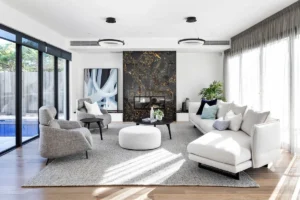
Clean lines, generous openings, and a quiet palette. Think timber, stone, and matte finishes that feel warm rather than stark. Joinery is built in. Clutter has a place to hide. This style works for single or double-storey homes and suits inner suburbs where simplicity reads as luxury.
What to consider
- Align living areas to capture northern light where possible
- Use courtyards or light wells to brighten the center of the plan
- Choose durable, low-maintenance materials that age gracefully
Warm modern luxury
Refined, not loud. Expect thicker stone, textured renders, bespoke joinery, soft lighting, and strong axial views from entry to garden. Ideal for Toorak, South Yarra, Hawthorn, Kew, Malvern, and Camberwell, where proportion and craftsmanship matter.
What to consider
- Create a gallery-like entry spine with a glimpse of greenery
- Zone entertaining at ground level and quiet spaces away from the hub
- Add controlled moments of drama, such as a floating stair or double-height void
Coastal contemporary
Airy rooms, honest materials, and outdoor living that works through the year. In Bayside pockets like Brighton and Sandringham, sea air and sun drive the specification.
What to consider
- Covered alfresco with built-in BBQ and heating for winter nights
- Oversized sliders with quality screens and hardware rated for coastal use
- Exterior materials and fixings selected for corrosion resistance
Japandi and minimalist natural
Soft neutrals, tactile timbers, and diffused light. This style is perfect for narrow blocks where calm, storage, and long sight lines matter more than raw size.
What to consider
- Continuous floor and ceiling lines to visually stretch small spaces
- Integrated window seats, nooks, and wall-hung joinery
- A balance of closed storage and open shelving for daily essentials
Family modern
Hard-working spaces for real life. Zoning keeps noise in check. A mud room handles sports gear. The laundry actually fits baskets and drying racks. Surfaces are chosen for durability first, trend second.
What to consider
- A clear path from entry to kitchen for easy drop-offs
- A media or rumpus room with acoustic treatment
- A homework or study nook within sight of the kitchen
Floor plan ideas that work in Melbourne
Single storey that feels generous
- Gallery entry that borrows light from a courtyard or glazed link
- Side-loaded garage to keep the façade balanced and private
- North-facing living with 3.0–3.3 m ceilings at the rear for volume
- Primary suite separation from kids’ rooms for quiet
Double-storey with clear zoning
- Living down, sleeping up for family separation, or place the primary suite on the ground floor for long-term accessibility
- Central stair and lightwell to brighten the middle of the plan
- Laundry upstairs near bedrooms with a chute from kids’ bath
- Covered alfresco positioned off the kitchen and dining for natural flow
Narrow block and inner-suburb solutions
- Long sight lines from the entry to the garden to increase perceived space
- Courtyard cut-ins and skylights to pull sun and air into the center
- Wall-to-wall joinery with concealed doors to reduce visual noise
- Basement or car stackers where on-site parking is tight
Sloping sites and view corridors
- Split levels that track the fall and reduce excavation
- Half flights and wide treads to keep movement comfortable
- Stepped terraces where retaining doubles as outdoor seating
- Privacy screens and planting that protect outlooks without losing light
Kitchens that work hard
- Appliance wall plus concealed pantry to keep benches clear
- Island seating on two sides for homework, casual meals, and guests
- Durable surfaces like engineered stone or porcelain where it counts
- Layered lighting with task, ambient, and feature settings
Bathrooms that age well
- Walk-in showers with linear drains and no thresholds
- Tiled nibs and ledges so bottles are off the floor and out of sight
- Wall-hung vanities with deep drawers and proper power points
- Natural ventilation paired with quiet, effective extraction
Cost to build an architecturally designed home in Melbourne
Budgets vary, but the drivers are consistent:
Cost driver
Cost driver | Why it impacts cost | Typical examples in Melbourne builds |
Complexity | More time, engineering, and specialist trades | Curves, cantilevers, basements, high ceilings, custom stairs |
Structure & overlays | Extra reports, materials, and compliance steps | Reactive soil, flood controls, bushfire ratings (BAL), acoustic/wind loads |
Specification | Higher-grade products increase supply and install costs | Premium windows, cladding, stone, bespoke joinery, appliances, smart tech |
Site access & context | Slower deliveries and labour; special equipment | Tight streets, laneway access, heritage areas, crane or traffic management |
Professional services | Upfront work to de-risk build and approvals | Survey, soil tests, energy rating, engineering, planning/building permits |
How to stay in control
Action | What it does | Practical tip |
Set realistic allowances | Prevents underquoting and budget blowouts | Allocate for appliances, tapware, lighting, landscaping from day one |
Separate must-haves vs nice-to-haves | Keeps scope aligned to budget | Lock essentials; stage or defer upgrades if needed |
Move to a fixed-price contract | Locks price once design is complete | Finalise drawings, engineering, and selections before signing |
Keep a sensible contingency | Covers client-led changes or surprises | Hold a % buffer proportional to complexity and site risk |
Energy-efficient and sustainable design that saves money
Melbourne’s climate rewards smart envelopes and simple passive moves.
- Orientation and shading to manage heat and glare throughout the year
- High-performance glazing sized and placed for aspect
- Insulation and air-tightness to stabilise temperature and cut energy waste
- Mechanical ventilation where needed for constant fresh air
- Solar-ready electrical with EV charger provision
- Durable cladding and roofing for local conditions
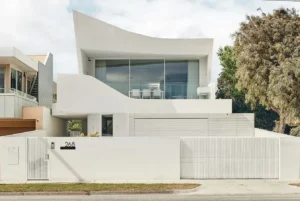
Façade and street appeal that fit the suburb
Street appeal starts with proportion and rhythm, then materials and detail.
- Material mixes that age well brick, timber, metal cladding, and stone
- Context first for heritage streets, with a modern language that still fits
- Landscaping early so the home feels complete at handover
- Bayside durability with coastal-grade fixings and finishes
The Pascon design and build process
Discovery and site walk
We review your site, brief, timing, and budget so the design solves real needs.
Concept and cost plan
Early drawings align to the budget from day one. You see what your money buys.
Detailed design and approvals
Working drawings, engineering, energy rating, and permits for a clean build.
Selections and documentation
Finishes and fixtures are resolved before construction to protect cost and program.
Construction and supervision
Clear communication, quality checks, and a transparent program from start to finish.
Handover and aftercare
Practical completion, manuals, and responsive support once you move in.
Where we build
Across Melbourne and surrounds including Brighton, Toorak, South Yarra, Hawthorn, Kew, Malvern, Camberwell, Albert Park, and Bayside. Local knowledge helps with overlays, heritage, access, and approvals so your project moves smoothly
Melbourne Custom Home Building FAQs
-
How long does a custom build take in Melbourne
Design and approvals often take three to six months depending on scope and permits. Construction for a well-specified architectural home typically runs nine to fifteen months based on size, complexity, and site.
-
Can I bring my own architect or work with Pascon’s partners
Both options are common. We collaborate with external architects and we also deliver design through trusted partners. The priority is a clear brief, aligned budget, and complete documentation.
-
Do you handle narrow or sloping sites?
Yes. We routinely deliver split levels, basements, car stackers, and tight-access builds in inner suburbs.
-
Can I make changes during construction?
Yes, through formal variations. We outline cost and timeline impacts before you approve anything.
-
Do you offer fixed-price contracts?
Once drawings, engineering, and selections are complete, we lock in price and program.
-
What size homes do you build?
From compact inner-suburb residences to large family and luxury homes.
Start your project with Pascon
Bring your site details, must-haves, and a ballpark budget. We will map a clear path from concept to handover and give you realistic timings for your suburb.